Best Golf Drivers for 2026 — Reviewed & Compared
Finding the perfect driver can transform your game off the tee. The latest 2026 golf drivers feature groundbreaking technologies that enhance distance, forgiveness, and consistency. Our comprehensive guide analyzes this year's top performers to help you make an informed decision based on your swing type, skill level, and performance needs.
We've tested dozens of the newest models to bring you this definitive comparison of the best golf drivers for 2026. Whether you're seeking maximum forgiveness, tour-level workability, or the perfect balance of both, our detailed reviews will guide you to your ideal match.
Quick Comparison: Top Golf Drivers for 2026
| Driver Model | Best For | Head Size | Adjustability | Forgiveness | Price Range |
| Ping G440 MAX | Mid handicappers | 460cc | High | Exceptional | $650 |
| Callaway Quantum Max | Game improvement | 460cc | Medium | High | $650 |
| TaylorMade Qi4D | All-around performance | 460cc | High | Medium-High | $650 |
| Titleist GT3 | Better players | 460cc | High | Medium | $650 |
| Cobra OPTM X | Distance seekers | 460cc | High | Medium-High | $600 |
| Callaway Triple Diamond | Low handicappers | 450cc | Medium | Low | $700 |
How to Choose the Right Driver in 2026

Key Factors to Consider
Forgiveness vs. Workability
Modern drivers typically fall somewhere on the spectrum between maximum forgiveness and enhanced workability. Forgiveness helps maintain ball speed on off-center hits, while workability allows for shot shaping. Most golfers benefit from prioritizing forgiveness unless you consistently strike the center of the face.
Adjustability Features
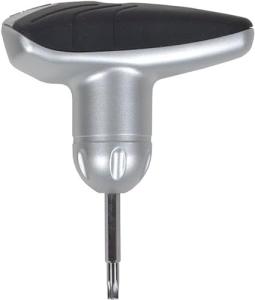
Today's premium drivers offer multiple adjustability options. Look for adjustable hosels that adjust loft and face angle, movable weights to influence ball flight, and customizable center-of-gravity positions. These features allow you to fine-tune performance without buying a new club.
Shaft Selection
The right shaft is crucial for optimizing your driver performance. Consider flex, weight, torque, and kick point based on your swing speed and tempo. Many 2026 models offer premium stock shaft options, but custom fitting remains the gold standard for maximizing performance.
Face Technology
Advanced face designs like variable thickness patterns, carbon composite inserts, and AI-optimized geometries can significantly impact ball speed and spin. The latest models feature multi-material face constructions that maximize the sweet spot while conforming to USGA regulations.
Editor's Choice: Ping G440 MAX

Ping G440 MAX
The Ping G440 MAX earns our Editor's Choice award by delivering exceptional forgiveness without sacrificing distance. Its redesigned interior hosel creates better face flexing while maintaining stability across the entire face. The carbon composite crown section saves weight that's repositioned to enhance MOI and optimize the center of gravity.
What truly sets the G440 MAX apart is its consistency on off-center hits. Our testing showed minimal distance loss on mishits compared to other models, making this an ideal choice for mid-handicappers looking to minimize penalty on less-than-perfect strikes.
Pros
- Exceptional forgiveness with minimal distance loss on mishits
- Adjustable 29-gram weight for neutral, draw, or fade bias
- Carbon composite crown reduces weight for better MOI
- Redesigned hosel improves face flexing
- Clean, confidence-inspiring look at the address
Cons
- May launch too high for some faster swingers
- Sound may be too muted for players who prefer feedback
Specifications
| 460cc | 9°, 10.5°, 12° |
| ±1.5° loft, lie angle | Ping Alta CB Black |
| Variable thickness titanium | D3 swing weight |

Callaway Quantum Max — Best for Game Improvement

The Callaway Quantum Max features the deepest center of gravity in the Callaway lineup, maximizing stability on off-center hits while promoting a higher launch angle. Its revolutionary multi-material face construction combines three distinct layers: an ultra-thin titanium front piece reinforced by a polymer-mesh compound and a carbon-fiber support panel.
This innovative three-level design allows for a thinner titanium face with optimized variable thicknesses, resulting in enhanced ball speed and spin performance across a larger portion of the face. During testing, we found the Quantum Max particularly forgiving on low-face strikes, which typically rob distance.
Pros
- Revolutionary three-layer face design maximizes ball speed
- Deep center of gravity enhances stability on mishits
- A Higher launch angle helps maximize carry distance
- Excellent forgiveness, especially on low-face strikes
- Premium sound and feel at impact
Cons
- Limited adjustability compared to competitors
- Less workable for shot-shapers
Specifications
| 460cc | 9°, 10.5°, 12° |
| ±1° loft, lie angle | Mitsubishi Tensei AV Raw Blue |
| Triple-layer composite | D3 swing weight |

TaylorMade Qi4D — Best All-Around Performance

The TaylorMade Qi4D balances stability and aerodynamic efficiency through extensive use of lightweight carbon composite materials in the crown, sole, and face. Its standout feature is the four adjustable sole weights that provide 26 grams of movable mass, allowing players to reduce spin, increase stability, change trajectory, or mitigate directional misses.
An updated sole slot design (thinner in the middle, wider at heel and toe) improves face flexing compared to previous models. During testing, we found Qi4D exceptionally versatile, adapting to different swing types through its comprehensive adjustability system.
Pros
- Unmatched adjustability with four movable weights
- Excellent aerodynamic efficiency for increased head speed
- Improved sole slot enhances face flexing
- Balanced forgiveness and workability
- Premium sound and solid feel at impact
Cons
- Not as forgiving as max models
- Requires proper fitting to optimize performance
Specifications
| 460cc | 8°, 9°, 10.5° |
| ±2° loft, lie angle, 4 weights | Fujikura Ventus TR Red |
| Carbon composite with titanium | D4 swing weight |

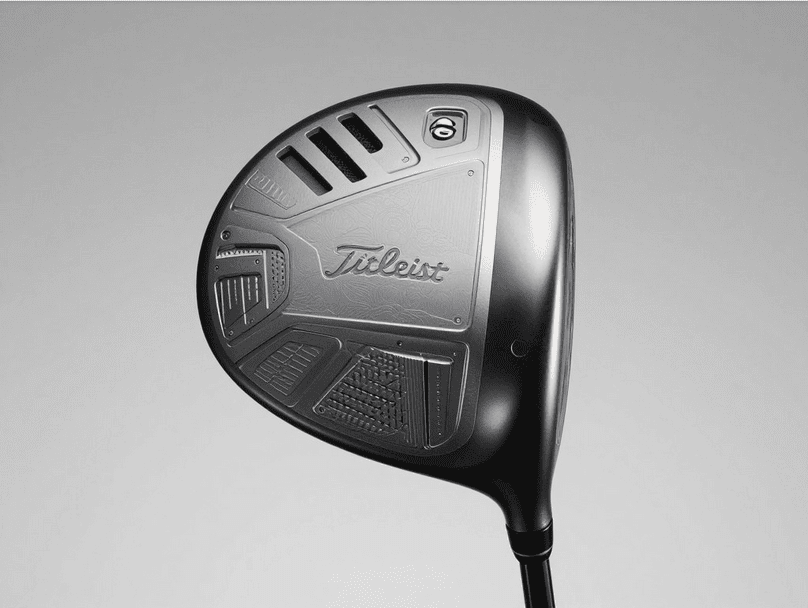
Titleist GT3 — Best for Better Players

The Titleist GT3 features a more forward center of gravity than the GT2, making it ideal for golfers with a repeatable impact location who want to maximize ball speed and control. Its forward weight track allows players to dial in their preferred center-of-gravity position for better energy transfer and enhanced directional control.
A lightweight thermoformed polymer piece wraps around the crown to meet the sole on the heel and toe sides, maintaining Titleist's signature sound and feel. In our testing, better players particularly appreciated the GT3's workability and penetrating ball flight.
Pros
- Forward CG promotes lower spin and penetrating flight
- Excellent workability for shot shaping
- Premium sound and feel are preferred by better players
- Adjustable weight track for fine-tuning performance
- Clean, traditional look at address
Cons
- Requires consistent center-face contact
- May not suit higher handicappers
Specifications
| 460cc | 8°, 9°, 10.5° |
| ±1.5° loft, lie angle, weight track | Graphite Design Tour AD IZ |
| Variable thickness titanium | D4 swing weight |

Cobra OPTM X — Best for Distance Seekers

The Cobra OPTM X features a larger front-to-back shape than the LS model, emphasizing forgiveness while maintaining low spin characteristics. It's designed for players who prioritize distance over workability, with adjustable sole weights (11 and 3 grams) that can be positioned in the front toe or rear center.
Placing the heavier weight in the front improves stability for consistent trajectory and spin, while positioning it in the rear adds forgiveness on mis-hits and promotes a higher launch. Compared to previous models, the OPTM X has a shorter front-to-back profile that appeals to better players while maintaining game-improvement characteristics.
Pros
- Excellent distance potential with low spin properties
- Adjustable weights for trajectory and spin control
- Good balance of forgiveness and workability
- Competitive price point at $600
- Appealing profile at the address
Cons
- Less forgiving than max models
- Limited adjustability compared to some competitors
Specifications
| 460cc | 9°, 10.5° |
| ±1.5° loft, lie angle, 2 weights | Mitsubishi Kai'li White |
| CNC milled infinity face | D3.5 swing weight |

Callaway Quantum Triple Diamond — Best for Low Handicappers

The Callaway Quantum Triple Diamond features a more compact 450cc head designed for better players with faster swing speeds who seek less spin and a flatter trajectory. Its innovative three-layer face combines an ultra-thin titanium layer supported by an inner layer of carbon composite joined by a polymer mesh.
The shorter front-to-back size makes it especially appealing to players who like to work the ball off the tee. In our testing, low handicappers appreciated the enhanced workability and penetrating ball flight, though the reduced forgiveness demands consistent center-face contact.
Pros
- Excellent low-spin performance for faster swingers
- Superior workability for shot shaping
- Penetrating ball flight with controlled trajectory
- Premium sound and feel at impact
- Compact profile preferred by better players
Cons
- Limited forgiveness on off-center hits
- Not suitable for mid to high handicappers
Specifications
| 450cc | 8°, 9°, 10.5° |
| ±1° loft, lie angle | Project X HZRDUS Smoke Black RDX |
| Triple-layer composite | D4 swing weight |

Key Buying Considerations for 2026 Golf Drivers

Skill Level Matching
The most important factor when selecting a driver is matching it to your skill level. Higher handicappers should prioritize forgiveness and ease of launch, while better players might prefer workability and control. Most manufacturers offer multiple models within each driver family to accommodate different player types.
Custom Fitting Importance
With the technological advancements in 2026, proper fitting has become more crucial than ever. A professional fitting can optimize loft, lie angle, shaft selection, and weight positioning to match your swing characteristics. Even the most advanced driver won't perform optimally if improperly fit to your swing.
Price vs. Performance
While premium drivers command $600+ price tags, consider whether the latest technology justifies the cost for your game. Many previous-generation models offer excellent performance at significantly reduced prices. For budget-conscious golfers, last year's models or certified pre-owned options can provide tremendous value.
Frequently Asked Questions About 2026 Golf Drivers
How often should I replace my driver?
Most manufacturers release new driver models annually, but that doesn't mean you need to upgrade every year. For the average golfer, replacing your driver every 3-5 years allows you to benefit from meaningful technological advancements. However, if you notice a significant decline in performance or damage to your current driver, it may be time for a replacement sooner.
Are adjustable drivers worth the extra cost?
For most golfers, adjustable drivers offer valuable versatility that justifies their premium price. The ability to modify loft, face angle, and weight distribution allows you to fine-tune performance as your swing evolves or course conditions change. However, if you rarely make adjustments or prefer simplicity, non-adjustable models can provide excellent performance at a lower price point.
What loft should I choose for my driver?
Driver loft should match your swing speed and attack angle. Generally, slower swing speeds (under 90 mph) benefit from higher lofts (10.5-12°) to maximize carry distance. Faster swingers (over 100 mph) might prefer lower lofts (8-9.5°) to control trajectory and spin. However, modern launch monitor fitting is the best way to determine your optimal loft, as factors like angle of attack significantly impact ideal loft selection.
Do I need a professional fitting for a new driver?
While not absolutely necessary, a professional fitting significantly increases the likelihood of optimizing your driver performance. Modern drivers offer numerous adjustability options and shaft combinations that can dramatically affect ball flight. A fitting ensures you're getting the most from your investment by matching the driver's characteristics to your unique swing. Many retailers offer free or discounted fittings with driver purchases.
What's the difference between "Max" and standard driver models?
"Max" designated drivers typically offer maximum forgiveness through higher MOI (moment of inertia) and a deeper center of gravity. They're designed to help mid-to-high handicappers maintain ball speed on off-center hits and achieve easier launch. Standard models usually balance forgiveness with workability, while "LS" (low spin) or "Tour" models prioritize workability and spin control for better players with more consistent impact patterns.
Final Thoughts on the Best Golf Drivers for 2026
The 2026 driver market offers unprecedented technology across all price points and player categories. Our testing revealed significant improvements in forgiveness, adjustability, and ball-speed retention compared with previous generations. While the Ping G440 MAX earns our Editor's Choice for its exceptional forgiveness and consistency, each driver in our lineup excels in specific performance categories.
Remember that proper fitting remains crucial to maximizing performance from any driver. Consider your skill level, swing characteristics, and performance priorities when making your selection. Whether you're seeking maximum forgiveness, workability, or the perfect balance between them, the 2026 driver lineup offers options to suit every golfer's needs.
Ready to upgrade your driving performance?
Click below to check out our Editor's Choice, the Ping G440 MAX, or explore all our recommended drivers for 2026.

DISCLAIMER
This document is provided for general information purposes only and should not be relied upon as providing legal advice, technical, or specific operational guidance to the reader, whether as to the practices described in the document or the applicable legal requirements and regulations. Progolfinsider.com expressly disclaims any responsibility for liability arising from or related to the use or misuse of any information in this document.