How to Start Playing Golf: A Complete Beginner’s Guide
Golf has won the hearts of millions worldwide. It's loved for its beautiful landscapes and the challenge of mastering a swing. Golf offers something for everyone.

Starting golf can be both thrilling and scary for beginners. It's key to know the game's basics, like equipment, rules, and etiquette. Learning about the different clubs and the course layout is a great first step.
Golf needs patience, practice, and dedication. By learning the basics and practicing often, you can get better and enjoy the game more.
Key Takeaways
- Understand the basic equipment and rules of golf.
- Familiarize yourself with the golf course layout.
- Practice regularly to improve your golfing skills.
- Learn basic golf etiquette to enhance your golfing experience.
- Be patient and dedicated to your golfing journey.
Understanding Golf Basics
When I step onto the golf course, I'm hit with its calm beauty and tough play. Golf is special because of its mix of physical skill and mental focus. The peaceful settings, with their well-kept landscapes, make it even more unique.
What Makes Golf Unique
Golf is different from other sports because it needs both physical skill and mental focus. The game's calm settings, often in beautiful landscapes, add to its appeal. The challenge of golf lies in its precision and patience requirements, making it rewarding for those who learn it well.
Common Golf Terminology
Knowing common golf terms is key to feeling confident on the course. Terms like "par," "birdie," and "bogey" help you understand scoring. For example, a "birdie" is scoring one stroke under par on a hole, while a "bogey" is one stroke over par. Learning these terms will improve your golfing and help you talk with other players.
- Par: The predicted number of strokes a skilled golfer should take to complete a hole or round.
- Birdie: Scoring one stroke under par on a hole.
- Bogey: Scoring one stroke over par on a hole.
Types of Golf Courses
Golf courses differ a lot in difficulty, layout, and scenery, offering challenges for all skill levels. The main types are links, parkland, and desert courses. Links courses are known for their coastal locations and challenging terrain, while parkland courses are in traditional, tree-lined settings. Desert courses offer a unique experience in arid landscapes.
Knowing about each course type helps you get ready for your game. It lets you pick the right equipment and strategies.
Essential Golf Equipment for Beginners
For those new to golf, finding the right equipment is key. It's easy to get lost in the many options. But, focusing on the basics makes shopping easier and improves your game.
Choosing Your First Golf Clubs
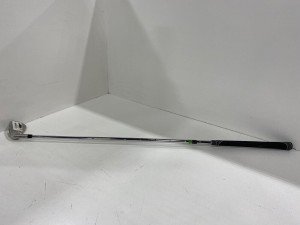
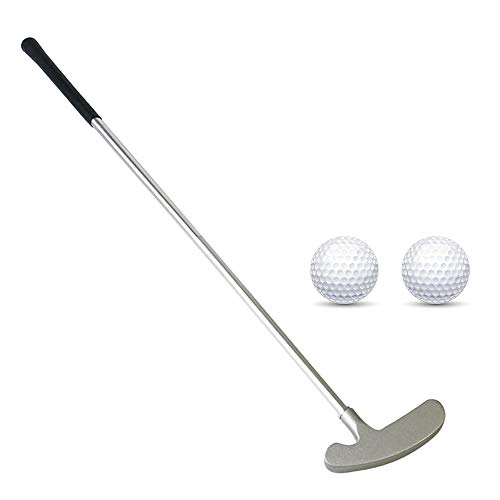
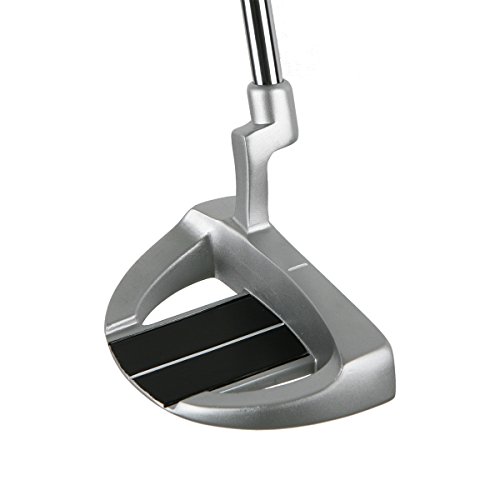
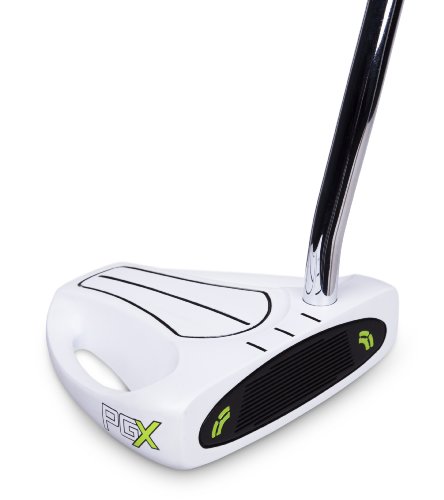
Choosing the right clubs is important for beginners. You don't need a full set to start. Start with a driver, a hybrid, a 7-iron, a sand wedge, and a putter. These clubs will help you in many situations on the course.
Key Considerations:
- Look for clubs with larger sweet spots for more forgiveness.
- Consider the material; graphite shafts are lighter and can be easier to handle.
- Club length and lie should be appropriate for your height and swing.
| Club Type | Purpose | Beginner Tip |
|---|---|---|
| Driver | Long-distance shots off the tee | Look for adjustable loft to customize your drive. |
| Hybrid | Versatile club for long shots from fairway or rough | Hybrids are forgiving and easier to hit than long irons. |
| 7-Iron | Mid-range shots for accuracy | Practice with a 7-iron to improve your swing consistency. |
Golf Balls and Tees
Golf balls and tees are essential. Beginners should use distance golf balls for durability and forgiveness. Plastic tees are durable and a good choice for beginners.
"The right golf ball can make a significant difference in your game, for beginners. Choose balls that balance distance and control."
Appropriate Golf Attire
Wearing the right golf clothes is important. It's about comfort and following dress codes. Golf attire includes collared shirts, pants or shorts, and golf shoes.
Golf Shoes: Good golf shoes improve your stability and swing. Look for waterproof and breathable materials.
Additional Accessories
Many accessories can enhance your game. A golf glove improves your grip, ball markers mark your ball's position, and a divot tool fixes ball marks.
As you get better, you might want more equipment. But start with the basics and add more gradually. This makes the game more fun and less confusing.
How to Start Playing Golf: A Complete Beginner's Guide
Starting your golf journey needs the right mix of lessons, practice, and patience. As a beginner, learning the basics is key to a strong start.
Finding the Right Golf Lessons
Getting beginner golf lessons from a pro can really help you grow fast. Lessons from a certified instructor teach you the right way to play. This ensures you start off on the right foot.
- Look for instructors certified by reputable organizations such as the PGA or LPGA.
- Choose between group or private lessons based on your preference.
- Many golf courses have beginner programs with lessons and practice.
Your First Visit to the Driving Range
Going to the driving range is a thrilling step. It's where you practice your swing and get to know your clubs.
- Begin with shorter clubs, such as wedges and irons, to feel more confident.
- Work on your golf swing fundamentals such as grip, stance, and posture.
- Practice often to build muscle memory and better your swing.

Mastering the Basic Golf Swing
Learning the golf swing is a big part of your golfing journey. It's about understanding the golf techniques for beginners, like grip, stance, backswing, and downswing.
Grip and Stance
A good grip and stance are the basis of a solid golf swing. Ensure your grip is just right, and your stance is balanced and comfortable.
Backswing and Downswing
The backswing and downswing are key parts of the swing. Aim for a smooth backswing and a controlled downswing to hit the ball well.
Putting and Short Game Basics
Mastering putting and the short game is just as important as the full swing. Work on your putting to get a consistent roll. Improve your short game to lower your scores.
- Practice putting on different greens to get used to various surfaces.
- Focus on your short game, like chipping and pitching, to save strokes.
Golf Rules and Etiquette for New Players
Knowing golf rules and etiquette is key to a great experience. As a beginner, understanding these will make the game more fun. It will also earn you respect from others.
Essential Rules to Know
Golf has rules that guide play. Knowing the basics is crucial. For example, understanding scoring, ball position, and handling hazards is important.
- Know the scoring system: Stroke play is common, aiming for the lowest score over holes.
- Understand ball position: Make sure your ball is right on the tee box and fairway.
- Familiarize yourself with hazards: distinguish between water hazards and bunkers and know how to handle them.
Golf Course Etiquette
Golf etiquette is as important as the rules. It's about respecting others, the course, and the game. Simple actions such as staying quiet, fixing divots, and keeping pace are essential.
Respecting other players means being aware of your actions. Avoid distracting others and be ready to play when it's your turn.

Pace of Play
Keeping a good pace is vital for everyone's enjoyment. Be ready to hit your shot, limit lost ball searches, and watch the group behind you.
Here are tips to keep pace:
- Be ready to hit your shot when it's your turn.
- Search for lost balls in three minutes or less.
- Let faster groups play through if you're holding them up.
Playing Your First Round
Playing your first round can be exciting and nerve-wracking. Focus on the rules and etiquette. Understand the course, be patient, and ask for help when needed.
By following these tips, you'll enjoy your first round more. You'll also make a good impression on others. Golf values respect, patience, and sportsmanship. Embracing these will help you become a respected golfer.
Conclusion
Starting your golfing journey? Remember, patience, practice, and dedication are crucial. By learning the basics, getting the right gear, and practicing, you'll enjoy the game more.
Golf is more than just a game; it's about tradition, skill, and friendship. Begin by mastering the basics like the golf swing and rules. This will help you respect the game and others.
For beginners, golf tips are essential. Look for golf lessons and practice at the driving range. With time, you'll be ready to play and enjoy all golf has to offer. Keep practicing, and you'll become a skilled golfer, ready for new adventures.
FAQ
What are the essential golf clubs for a beginner?
Beginners should start with a driver, hybrid, and irons. These clubs lay a solid foundation for your game.
What type of golf balls are best for beginners?
Beginners should use distance golf balls. They are durable and forgiving, perfect for those new to the game.
What should I wear on the golf course?
Golf attire includes collared shirts, golf pants or shorts, and golf shoes. Wearing the right clothes makes you feel confident and comfortable.
How do I improve my golf swing?
To improve your swing, focus on grip, stance, backswing, and downswing. Regular practice and lessons from a pro will help you swing consistently.
What are some essential golf rules to know?
Knowing basic rules like scoring, ball position, and hazards is crucial. These rules help you avoid penalties and improve your game.
What is golf course etiquette?
Golf etiquette includes respecting other players, repairing divots, and keeping pace. Following these guidelines ensures a positive experience for everyone.
How can I improve my putting and short game?
Focus on your putting and short game to improve your skills. Work on your grip, stance, and alignment for a consistent stroke.
What is the pace of play, and how can I keep up?
The pace of play is how fast you complete your round. Take your shot when it's your turn and keep up with the group ahead.
How do I begin golf lessons?
Identify local instructors and find a teaching style that suits you. Many courses and ranges offer introductory lessons.
What are the benefits of taking golf lessons?
Lessons help you develop good habits and improve your technique. They also prevent common mistakes and speed up your progress.
DISCAIMER
This document is provided for general information purposes only and should not be relied upon as providing legal advice, technical, or specific operational guidance to the reader, whether as to the practices described in the document or the applicable legal requirements and regulations. Progolfinsider.com expressly disclaims any responsibility for liability arising from or related to the use or misuse of any information in this document.