Golf for Beginners: Complete Guide to Equipment, Rules, and First Steps in 2026
Golf can look a bit intimidating at first glance. The good news? Getting started is actually way easier than most people expect.
You don't have to be an athlete—or fork over thousands for gear—to have fun on the course. With some basic equipment, a few key skills, and a handle on course etiquette, you'll be teeing it up with confidence in no time.
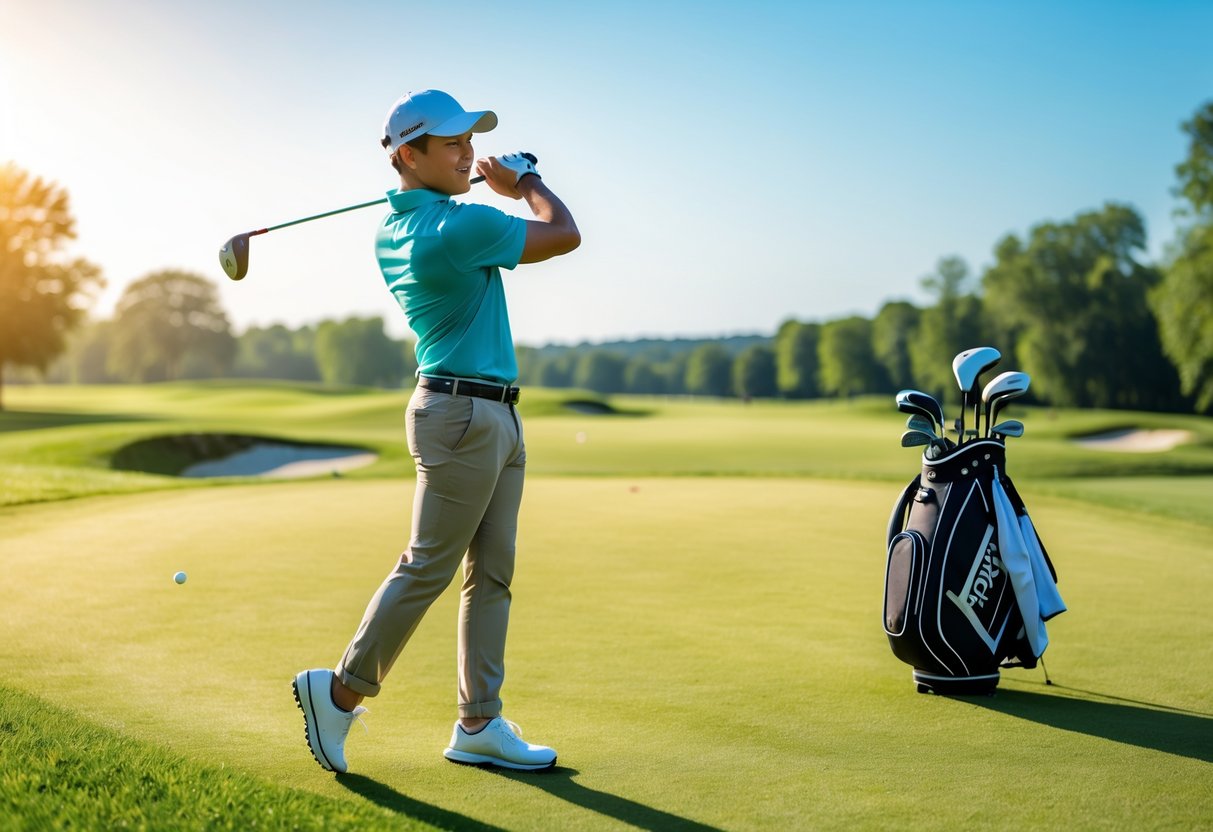
This guide is here to walk you through what you need as a beginner in 2026. We'll talk clubs, how to swing, which rules actually matter, and how to practice without wasting your time.
You'll also get tips to dodge the classic rookie mistakes that trip up most new golfers. Whether you're just looking to play a few rounds with friends or thinking about getting a little more serious, you'll find a clear way forward here.
Ready for your first round? Let's get into it.
Key Takeaways
- You only need a basic set of clubs, some balls, tees, and the right clothes to get started
- Learning a solid grip, stance, and swing early will help you improve faster and avoid picking up bad habits
- Knowing the main rules and etiquette keeps things safe, respectful, and way less stressful out on the course
Golf Equipment Essentials for Beginners
Starting golf doesn't mean you have to empty your wallet or buy everything in the pro shop. Just a handful of essentials will get you out there comfortably and legally.
Choosing Your First Set of Clubs
Honestly, you don't need a full 14-club set to begin. Seven to ten clubs is plenty and keeps things simple while you're learning.
A solid starter set usually looks like this:
- Driver for those long tee shots
- 3-wood or 5-wood for hitting from the fairway
- 5-iron through 9-iron for most approach shots
- Pitching wedge for the short game
- Putter for the green
Used clubs or last season's models are a great call for beginners. Your swing is going to change a lot, so there's no sense splurging on fancy new gear just yet.
Look for clubs labeled "game improvement" or "forgiving." Bigger club faces mean less punishment for those off-center hits (and you'll have a few, trust me).
Must-Have Accessories for New Golfers
Besides clubs, you'll want a few basics in your bag. Golf gloves help keep blisters away and give you a better grip—most folks wear one on their lead hand.
Golf shoes with soft spikes are nice for stability. You can get by with sneakers at first, but proper shoes do feel better once you get going.
A golf bag keeps your gear together. Cart bags are good if you ride, while stand bags are lighter and have legs for walking.
Other stuff that's handy to have:
- Ball markers and a divot repair tool
- A towel for wiping clubs
- Water bottle (you'll get thirsty out there)
- Sunscreen and a hat
- Rain gear if the weather's iffy
Renting vs. Buying Golf Gear
Renting clubs usually runs $30-50 per round at most courses. If you're just trying out golf or only play once in a while, renting makes sense.
Try renting for your first couple of rounds. That way, you can see if you actually like golf before dropping money on gear.
Once you've played five or six rounds, buying gets more practical. Beginner sets run $200-400 and cover what you need.
Think about how often you'll play, your budget, and whether you have space to store clubs. Also, check if your local courses have decent rentals—sometimes they're pretty rough.
Selecting the Right Golf Balls and Tees
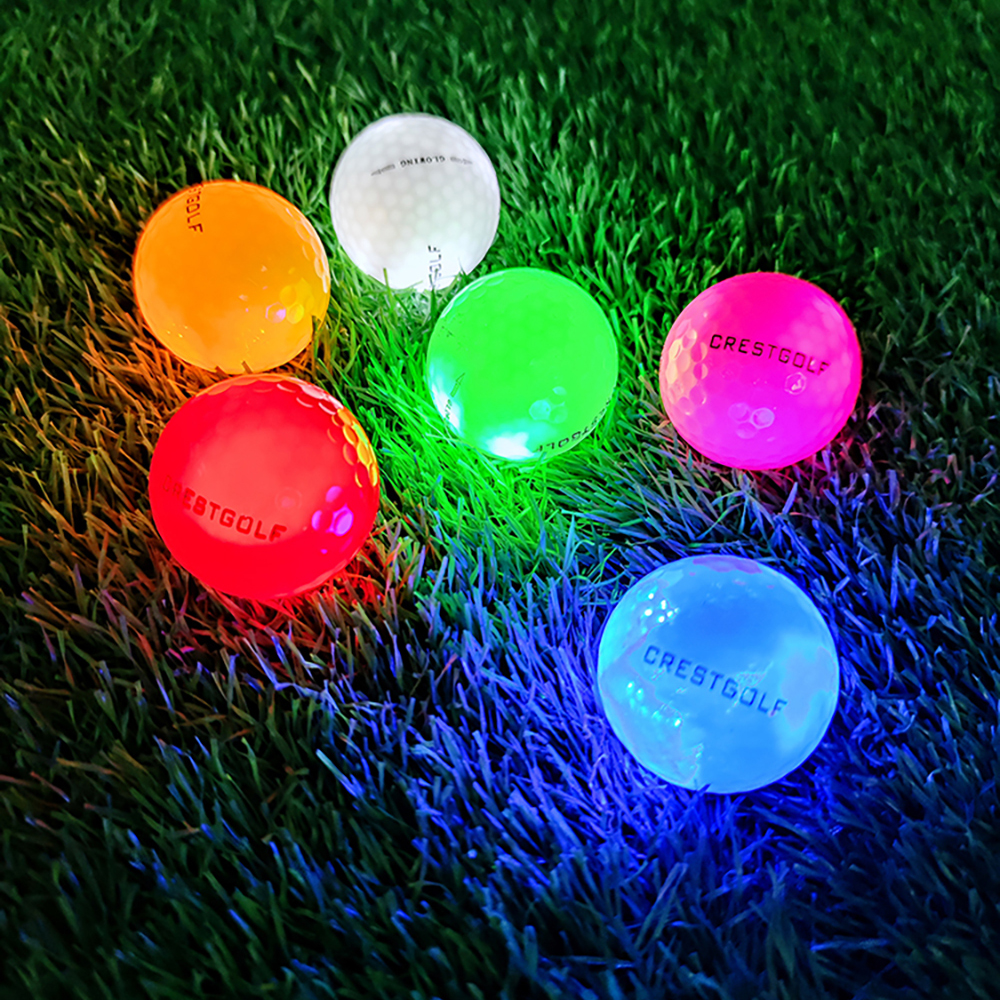
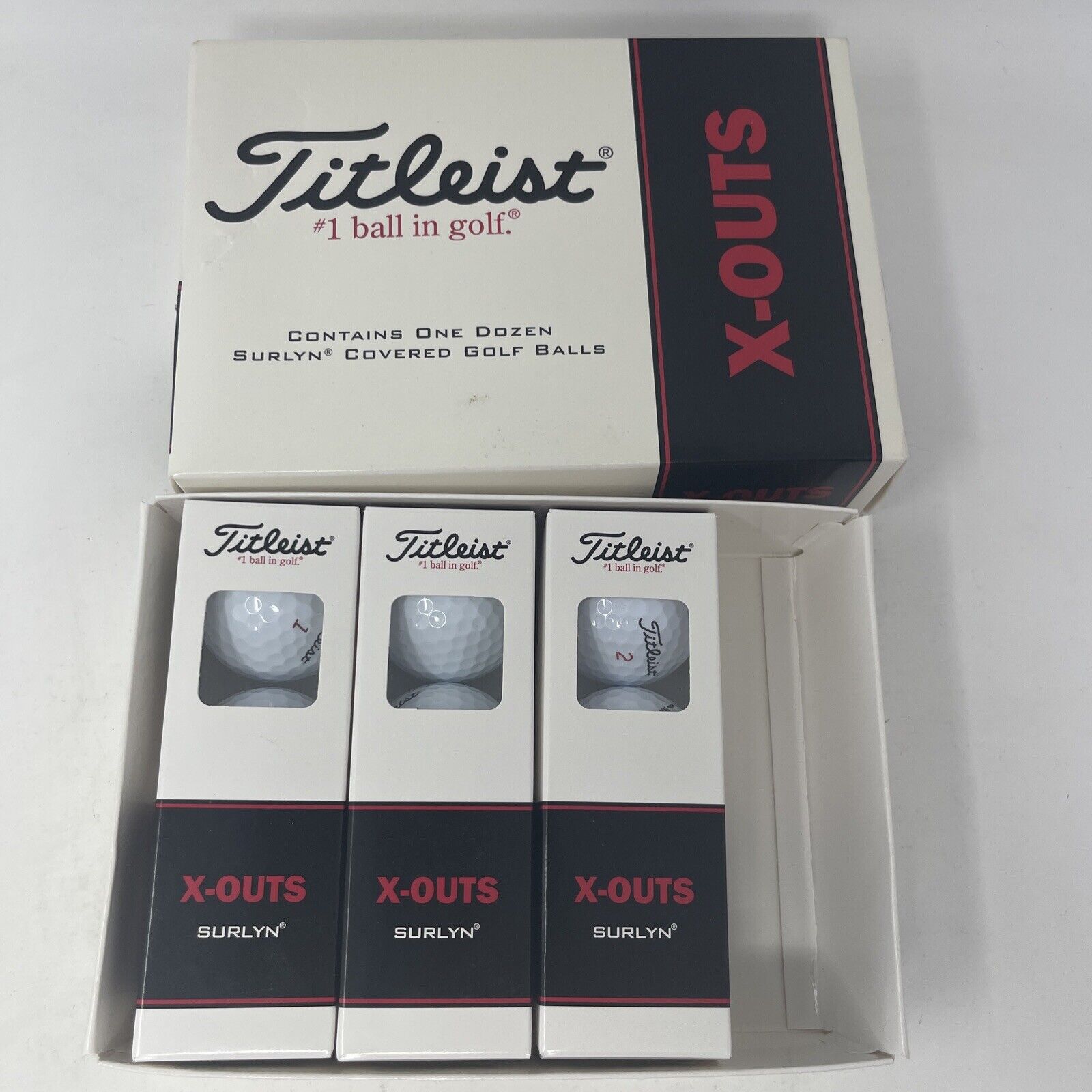
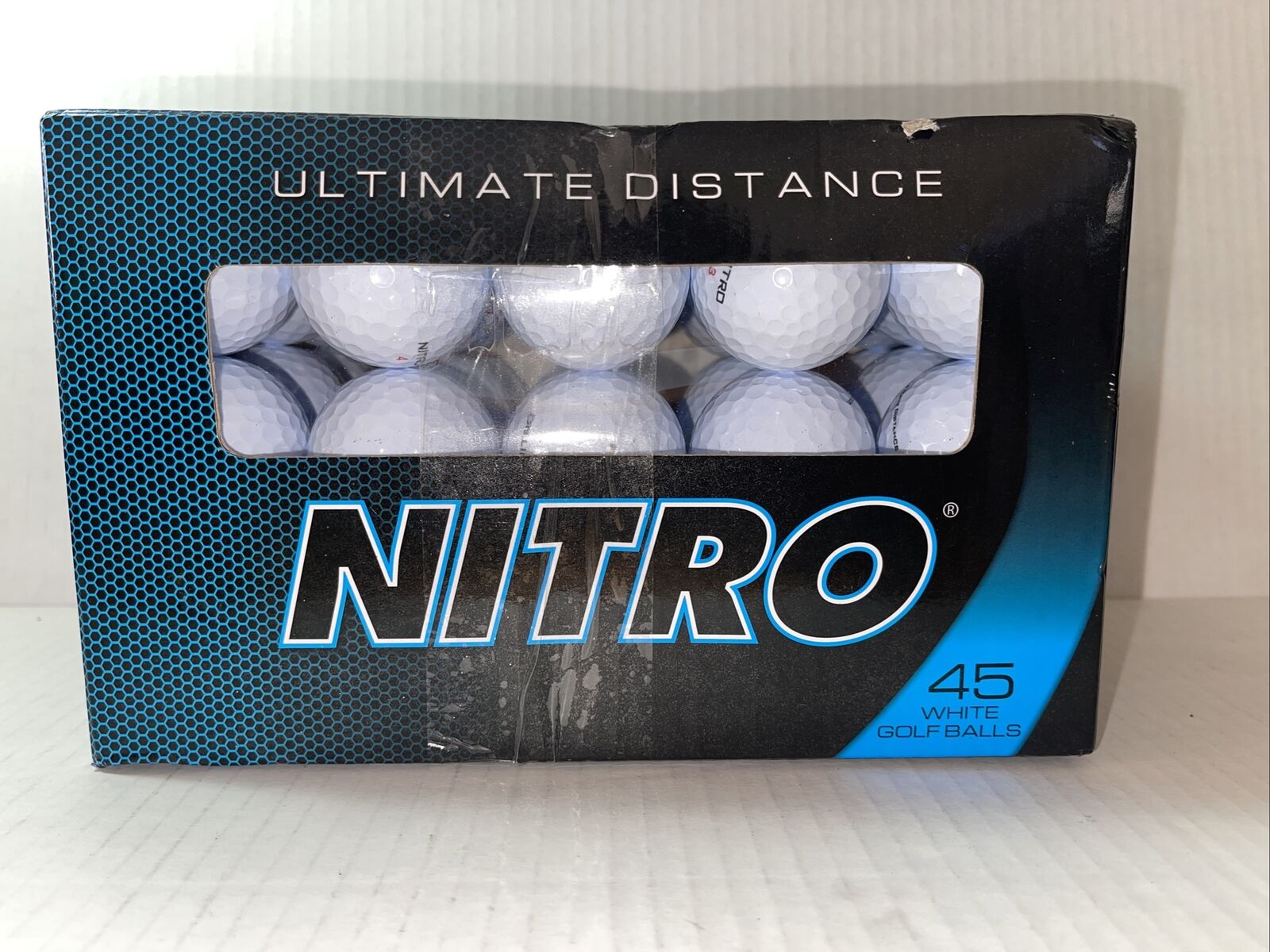
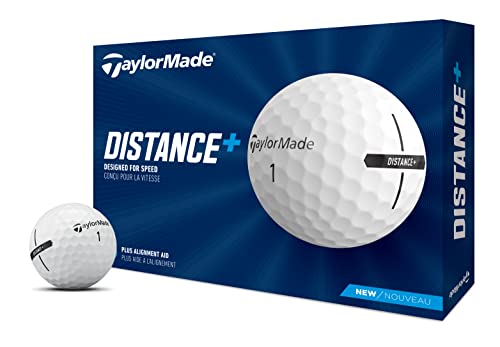
Don't bother with expensive balls at first. Affordable multi-packs are your friend—you're going to lose a few, it's just part of learning.
Two-piece balls with tough covers are best for beginners. They're straighter and more durable, and a dozen usually costs $15-25.
Tees are cheap and you'll need a bunch. We like 2.75-inch tees for drivers and 1.5-inch for irons.
Buy them in bulk since they break or get lost all the time. Keep a handful in your bag so you don't run out halfway through a round.
Fundamental Golf Skills to Master

Learning golf is really about nailing down four basics: how you grip the club, how you stand, how you move the club, and making solid contact with the ball. These building blocks set you up for success.
Proper Grip and Stance
Your grip connects you to the club, so it matters way more than most people think. Try the overlapping grip (a.k.a. Vardon grip): left hand on top, right hand below, right pinky over left index finger.
Left thumb goes just right of center, and the right palm's lifeline covers that thumb. Both thumbs point down the shaft toward the clubhead.
Feet should be about shoulder-width for mid-irons. Balance your weight evenly between both feet, more on the balls than the heels. Knees should be soft—not locked or squatting.
Ball position changes with the club. Center for short irons, a bit forward for mid-irons, and by your left heel for drivers.
Posture and Alignment Basics
Start by standing tall and bend from your hips, not your waist. Keep your back straight and let your arms hang naturally.
Your spine should tilt a little away from the target. That happens naturally with your right hand lower on the club. Keep your chin up—don't hunch over.
For alignment, your feet, knees, hips, and shoulders should all line up parallel to each other and just left of your target (for righties). Clubface points at the target, but your body aims a touch left.
It's easy to accidentally aim your body at the target, which pushes shots right. Laying a club down along your toes during practice helps check your aim.
Understanding the Golf Swing Arc
The swing is more of a circle than a straight line. The clubhead goes back, up, around, down, through the ball, and then up again—think of it as an arc.
Backswing: the club moves away, the shoulders rotate, the left arm stays pretty straight, the right elbow bends, and your weight shifts to your right foot.
Downswing reverses it. Weight moves left, hips turn toward the target, arms follow, and the club comes down and through. You want to hit the ball while the club's still moving downward.
Finish with your chest facing the target, weight on your left foot, and the club high over your left shoulder. It might feel awkward at first, but you'll get there.
Key Tips for Solid Ball Contact
To get that satisfying "click," the clubface needs to hit the ball squarely with the sweet spot. Try to keep your head steady—rotating is fine, but don't let it bobble all over the place.
For contact:
- Irons: Ball first, ground after—take a divot
- Driver: Hit the ball on the upswing, no divot
- Fairway woods: Sweep the ball, barely grazing the turf
Start out with half or three-quarter swings. It's easier to control and helps you focus on clean contact instead of just swinging hard.
Keep your grip pressure light, maybe a 4 or 5 out of 10. Too much tension kills your swing. Let your wrists hinge naturally—don't force it, but don't lock them up either.
Navigating the Golf Course

Picking the right course and understanding its layout will shape your first golf experiences, for better or worse. Let's look at how to find beginner-friendly spots and what practice areas are all about.
Finding Beginner-Friendly Courses
Public courses or municipal facilities are usually the best places to start. They're cheaper, less formal, and way more relaxed for new players.
Executive courses are great too. The holes are shorter, so you can finish a round in a couple of hours instead of four or five.
Par-3 courses are another solid choice. Every hole is short enough to reach the green in one shot, which takes a lot of pressure off while you learn.
Look for places that offer beginner clinics or have teaching pros on staff. They know what new golfers need and tend to be pretty welcoming. Some even offer discounted rates during slower times.
Introduction to Practice Facilities
The driving range is perfect for hitting full shots without worrying about score. Spend a few sessions there before tackling a real course. Ranges sell buckets of balls—usually 40 to 100 at a time.
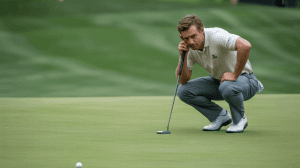
Most courses have a putting green you can use for free. It's a good idea to spend at least 15 minutes there before each round to get a feel for the greens.
Chipping areas let you practice short shots from different lies. Some have sand bunkers so you can work on getting out of the sand. Not every course has these, but they're worth using if available.
If there's a practice bunker, give it a try before you have to hit out of one during a round. Sand shots are tricky, but a little practice goes a long way.
Course Layouts and Par Types
Par is the number of strokes a skilled player should need to finish a hole. Standard courses have par-3, par-4, and par-5 holes.
Each type asks for different clubs and strategies.
Par-3 holes run from about 100 to 250 yards. The goal is to reach the green in one shot, then take two putts.
These holes focus more on accuracy than distance. They can be a real test of nerves if you're new.
Par-4 holes are usually 251 to 470 yards long. You’ll hit a tee shot, then an approach to the green, and then (hopefully) two putts.
Most courses have more par-4s than anything else. They’re a nice mix of challenge and reward.
Par-5 holes go beyond 470 yards. Usually, you’ll need three shots to reach the green, plus two putts.
Par-5s give you a little more breathing room since you get extra strokes. Still, they can get away from you if you’re not careful.
Most 18-hole courses add up to par-72, but that’s not set in stone. Nine-hole courses offer a shorter round, usually ranging from par-27 to par-36.
Essential Rules and Etiquette for New Golfers
Golf has written rules for how we play and score, plus unwritten customs that show respect for others and the course itself.
Learning both types helps you avoid awkward moments and feel more at ease out there.
Basic Golf Rules to Know
The main goal in golf? Get your ball from the tee into the hole in as few strokes as possible.
We play the ball where it lands—no sneaky moves—unless a rule says otherwise.
Always tee off from between the tee markers, not ahead of them. If your ball goes out of bounds (white stakes) or into a water hazard (yellow or red stakes), you’ll take a penalty stroke and follow the drop rules for that situation.
Key stroke rules include:
- Count every swing, even if you whiff
- Include penalty strokes for breaking rules
- Don’t move your ball or improve your position
- No giving or asking for swing advice mid-round
If you can’t find your ball within three minutes, it’s lost. Take a penalty and hit another from the same spot.
Bring extra balls. You’ll lose some—it happens to everyone, especially when you’re just starting out.
On-Course Etiquette and Courtesy
If you’re holding up a faster group, let them play through. No one likes waiting forever, right?
On the tee box, stay quiet while others hit. Stand to the side or behind—not right in their line of sight.
Essential courtesy rules:
- Fix your ball marks on the greens
- Replace your divots or fill them with sand
- Rake bunkers after you use them
- Keep carts on paths when signs say so
- Don’t step on other players’ putting lines
Be ready when it’s your turn—club picked, glove on, ball set. Usually, the person farthest from the hole goes first, but in casual rounds, “ready golf” works fine.
Keep your phone on silent. Only take calls if it’s an emergency. Otherwise, just enjoy the round.
Understanding Penalties and Scoring
Most penalties in golf add one or two strokes to your score for that hole. You count these even if you never swung the club.
A one-stroke penalty happens if you move your ball by accident, hit the wrong ball, or ground your club in a hazard. A two-stroke penalty shows up if you hit a practice shot during a hole or ask someone for club advice.
Here’s how strokes add up:
- Regular swing that moves the ball = 1 stroke
- Out of bounds or lost ball = 1 penalty plus replay from the original spot
- Unplayable lie = 1 penalty, drop with options
- Water hazard = 1 penalty, drop depending on hazard color
Write down your total strokes for each hole, including penalties. If you take more strokes than par, that’s “over par.”
Shooting over par is normal when you’re learning. Don’t sweat it—everyone starts there.
Practice Routines for Fast Improvement
Smart practice is what gets golfers better, faster. Just hitting balls at random? Not so much.
Work on specific skills with a clear plan. It’s way more effective.
Effective Driving Range Habits
Start every range session with a warm-up. Hit 10-15 easy wedge shots to get loose before grabbing longer clubs.
Use alignment sticks or pick a target for every shot. This keeps you focused on accuracy instead of just making contact.
Spend about 60% of your practice time on shots inside 100 yards. Scoring well starts with the short game, not just big drives.
Work through your bag: hit a handful of shots with one club, then switch. It keeps things interesting and helps you learn faster.
Set small goals for each session. Maybe try to land 7 out of 10 pitching wedge shots inside a 20-yard circle. Jot down what you worked on so you can see your progress.
Short Game Drills for Beginners
The short game—chipping, pitching, and bunker shots—makes up about 60% of your strokes. Practice these for at least 20 minutes each session.
Try the ladder drill for chipping: set markers at 10, 20, and 30 feet. Land five balls between each distance to build touch.
For pitching, use the clock drill. Imagine your arms as clock hands—lead arm to 9 o’clock on the backswing, 3 o’clock on the follow-through. It helps with consistency.
Practice in bunkers if you can. Aim to hit the sand about 2 inches behind the ball. Don’t stress if you struggle at first—bunker shots are tricky for everyone.
Building Confidence on the Green
Putting is almost half your score, so don’t skip it in practice.
The gate drill helps your stroke path. Place two tees just wider than your putter head, about 6 inches ahead of the ball, and try to roll putts through without touching the tees.
Work on distance control before worrying about making every putt. Set up at 10, 20, and 30 feet and try to leave each putt inside a 3-foot circle around the hole.
Practice short putts from 3 feet. Challenge yourself to make 10 in a row before leaving. If you miss, start over. Frustrating? Maybe. But it really helps build confidence under pressure.
Common Mistakes and How to Avoid Them
New golfers run into a lot of the same problems: awkward swings, nerves on the course, and buying the wrong gear.
These can really slow you down—or just make golf less fun than it should be.
Beginner Swing Errors
Gripping the club too tightly is probably the most common mistake. If your knuckles are white, loosen up. Hold the club like you’d hold a tube of toothpaste—firm but gentle.
Poor posture is another big one. Don’t stand too straight or hunch over. Tilt forward from your hips about 30 degrees and keep a slight bend in your knees. Let your arms hang naturally.
Trying to smash the ball as hard as you can? That usually backfires. Smooth, controlled swings make better contact. Power comes later, trust me.
Another thing—don’t peek too soon. Keep your eyes on the ball through impact. Your head will follow naturally.
Overcoming Nerves and Intimidation
The first tee can feel like a spotlight, especially with people watching. Just remember, everyone started somewhere. Most golfers respect anyone willing to learn.
Play during off-peak hours if you’re nervous. Early mornings on weekdays are usually quieter, so there’s less pressure.
Don’t apologize for every bad shot. Keep moving and keep up the pace. If a faster group is behind you, wave them through.
Practice your basic shots at the range before playing a full round. You don’t need perfect shots—just enough to get around the course.
Equipment Pitfalls for First-Timers
Don’t blow your budget on expensive clubs right away. Your swing will change a lot in the first year, so pricey gear won’t help much.
Start with a basic used set or an affordable boxed set for beginners. No shame in that—it’s practical.
What You Actually Need:
- Driver
- 5-wood or hybrid
- Irons (6-9 and pitching wedge)
- Putter
- Golf bag
- One dozen balls
Skip specialty wedges, long irons, and extra fairway woods for now. They’re tricky and not necessary yet.
Don’t bother getting fitted for clubs until you have a repeatable swing. Take some lessons, get consistent, then think about custom fitting.
Frequently Asked Questions
New golfers ask a lot of the same things: what to buy, what rules matter, how to practice, and where to play.
Knowing the basics helps you show up with a bit more confidence.
What basic equipment is essential for a beginner golfer to start playing?
Start with a basic set: driver, fairway wood, irons (usually 5-9), pitching wedge, sand wedge, and putter. You can get a full beginner set for $200-400, and it’ll have everything you need.
Buy some cheap golf balls—you’ll lose a bunch at first. A glove for your lead hand helps with grip and avoids blisters.
Golf shoes with soft spikes give better traction. Regular sneakers are fine for practice, but real golf shoes help on the course.
You’ll need a bag for your clubs, plus tees. Throw in a towel, ball markers, and a divot repair tool. That’s about it.
What are the fundamental rules that a beginner golfer should learn?
The goal: hit your ball from the tee into the hole in as few strokes as you can. Each hole has a par—think of it as the “expected” number for a skilled player.
Play your ball where it lands, unless the rules say otherwise. If you go out of bounds or into water, add a penalty stroke and follow the drop rules.
Count every stroke, including accidental hits during practice swings. Stay quiet and out of the way while others hit.
The person farthest from the hole plays first. Keep a good pace, and let faster groups play through if you’re moving slow. That’s just good manners.
How can a beginner practice golf effectively at home?
Practicing putting on a carpet or a putting mat helps develop feel and accuracy. Just ten or fifteen minutes a day can really start to build muscle memory, even if it seems like not much at first.
If you’ve got a yard, chipping practice is a solid way to improve your short game. Try setting up a few targets at different distances, and work on landing the ball softly—it's harder than it sounds.
Standing in front of a mirror, work on your grip and setup. This helps you get a sense of proper form without having to hit any balls, which is honestly a relief some days.
Swing drills in your living room or garage can help you build rhythm. Just make sure you’ve got enough space and maybe use a practice club if you’re worried about breaking something.
Flexibility and core exercises are worth the effort for better rotation and power. A few basic stretches and planks, done regularly, can make a bigger difference than you'd expect.
What are some effective techniques for mastering the golf swing as a beginner?
Start with a proper grip—your hands should work together, almost like they're one unit. Let the club rest in your fingers instead of your palms; it just feels more natural that way.
Keep your stance shoulder-width apart, with a bit of knee flex. Balance your weight on the balls of your feet, and adjust the ball position depending on your club.
For the backswing, rotate your shoulders while keeping your lower body steady. Try to bring the club back smoothly; rushing it never really works out.
On the downswing, your hips should rotate toward the target before your arms follow. This sequence creates both power and accuracy—though it takes some patience to get the hang of it.
Try to keep your head pretty still and your eyes on the ball. Following through all the way helps you make solid contact and get better ball flight.
It’s a good idea to start with shorter swings using wedges. As you get more consistent, gradually work your way up to longer clubs and bigger swings.
Can you recommend beginner-friendly golf courses or facilities for new players?
Look for executive or par-3 courses in your area for your first rounds. These shorter layouts let you finish in a couple of hours and don’t feel nearly as intimidating.
Municipal courses are usually welcoming to beginners and are less expensive than private clubs. They often have decent practice areas and some offer group lessons that won’t break the bank.
Lots of golf facilities have practice zones where you can work on your game before jumping into a full round. Driving ranges, chipping greens, and putting greens are great for getting comfortable.
It’s worth calling ahead to ask about twilight rates or beginner tee times. Some courses set aside certain times for newer players or have cheaper late afternoon rounds, which is always nice.
Local golf shops and courses usually know which spots are best for beginners. They might recommend courses with wider fairways and fewer hazards, which honestly makes the whole experience less stressful.
What are the key differences between practicing at a driving range and playing on an actual course for a beginner?
At a driving range, we hit ball after ball from a flat, perfect lie. Every shot starts from the same spot, which is honestly pretty forgiving.
The range is all about swing mechanics. There's no real pressure or consequence, so you can just mess around with different clubs and see what happens.
On the course, though, every shot feels different. The ground's uneven, there's weird slopes, and sometimes the ball sits in a spot you really wish it didn't.
Making decisions becomes a bigger deal on the course. You've got to choose your club, think about the wind, or even just figure out how to get out of a bunker.
Course play throws everything at you—putting, chipping, sand shots, you name it. The range is mostly about full swings, usually with the longer clubs.
The mental side? That's huge on the course. Keeping your head together after a bad shot or staying focused for hours is a whole other challenge.
DISCAIMER
This document is provided for general information purposes only and should not be relied upon as providing legal advice, technical, or specific operational guidance to the reader, whether as to the practices described in the document or the applicable legal requirements and regulations. Progolfinsider.com expressly disclaims any responsibility for liability arising from or related to the use or misuse of any information in this document.