Common Swing Mistakes Female Golfers Make (And Easy Fixes)
Feeling frustrated with your golf swing? You're not alone. Many female golfers struggle with the same fundamental issues that prevent them from playing their best game. The good news? These common mistakes have simple solutions that don't require complex technical changes or superhuman strength. In this guide, we'll address three key problem areas that affect many women on the course, with practical fixes you can implement right away.
Mistake #1: Overswinging - When More Actually Means Less

Overswinging creates power loss and inconsistent contact
One of the biggest swing mistakes I see female golfers make is overswinging. In an effort to generate more power, many women take the club too far back, well beyond the point where control is possible. This actually reduces power and leads to inconsistent contact with the ball.
When you overswing, your body compensates in ways that sabotage your shot. Your posture collapses, your arms disconnect from your body, and your timing gets thrown off. The result? Topped shots, slices, and frustrating inconsistency.
Easy Fixes for Overswinging:

The Shoulder Check: During your backswing, stop when your hands reach shoulder height. For most women, this shorter backswing actually produces more consistent contact and often more distance too. It might feel too short at first, but give it a chance.
The Rhythm Drill: Practice swinging at 70% of your maximum effort. Count "one-and-two" during your swing (one for backswing, two for downswing). This measured tempo helps prevent overswinging while improving your timing and contact.
"Power in the golf swing comes from good sequencing and solid contact, not from how far back you take the club."
Mistake #2: Poor Posture - The Foundation of Your Swing

Proper athletic posture (right) creates the foundation for a powerful swing
Not enough women set up in an athletic manner when addressing the ball. Many female golfers stand too upright with their bottoms tucked in, creating what instructors call "reverse posture." This position makes it nearly impossible to make a powerful, consistent swing.
Poor posture leads to a chain reaction of swing problems: early extension, loss of balance, inconsistent contact, and reduced power. It's like trying to build a house on a shaky foundation – everything that follows will be compromised.
Easy Fixes for Posture Problems:
The Athletic Stance: Stand with your feet shoulder-width apart, knees slightly flexed, and bend from your hips (not your waist). Let your arms hang naturally. Your bottom should feel like it's sticking out slightly – this is good! It means you're in an athletic position ready for a dynamic movement.
The Wall Drill: Stand with your back against a wall, with your heels, bottom, and shoulders touching it. Step forward and maintain that same posture as you bend from the hips into your golf stance. This helps train the proper spine angle.

Want to Fix Your Swing Faster?
Book a 30-minute personalized swing assessment with a PGA professional. We'll identify your specific swing issues and create a custom plan to fix them.
Book Your Swing AssessmentMistake #3: Too Much Tension - The Power Killer

Tension in the hands and arms restricts your swing and reduces distance
One of the biggest power killers in the female golf swing is excessive tension. Many women grip the club too tightly, creating stiffness throughout their arms, shoulders, and even their entire body. This tension restricts your natural swing motion and dramatically reduces your distance.
When you're tense, your muscles can't work efficiently. Your wrists don't hinge properly, your arms can't release through impact, and your body rotation becomes limited. The result is a choppy, restricted swing that lacks both power and consistency.
Easy Fixes for Tension:

The Grip Pressure Check: On a scale of 1-10 (with 10 being the tightest), aim for about 4 or 5. You should be holding the club firmly enough that it won't fly out of your hands, but gently enough that you can feel its weight. Before each swing, consciously relax your grip.
The Waggle Drill: Before starting your swing, add a small waggle (a slight back-and-forth movement of the clubhead). This helps release tension in your hands and arms. Think of how the pros do this before they swing – it's not just for show!
Quick Tension Test: If you can see the veins in your hands or forearms while gripping the club, you're holding on too tightly!
Other Common Swing Mistakes to Watch For

Poor Weight Transfer
Many female golfers fail to shift their weight properly during the swing, often leaving weight on the back foot. Practice feeling your weight move to your front foot through impact for better contact and distance.

Lack of Wrist Hinge
Without a proper wrist hinge, you lose power and control. Practice letting your wrists set naturally in the backswing, creating an angle between your arms and the club for more power.

Incomplete Follow-Through
Stopping your swing short after impact reduces power and accuracy. Practice swinging to a full, balanced finish with your belly button facing the target and weight on your front foot.
Is Your Equipment Working Against You?

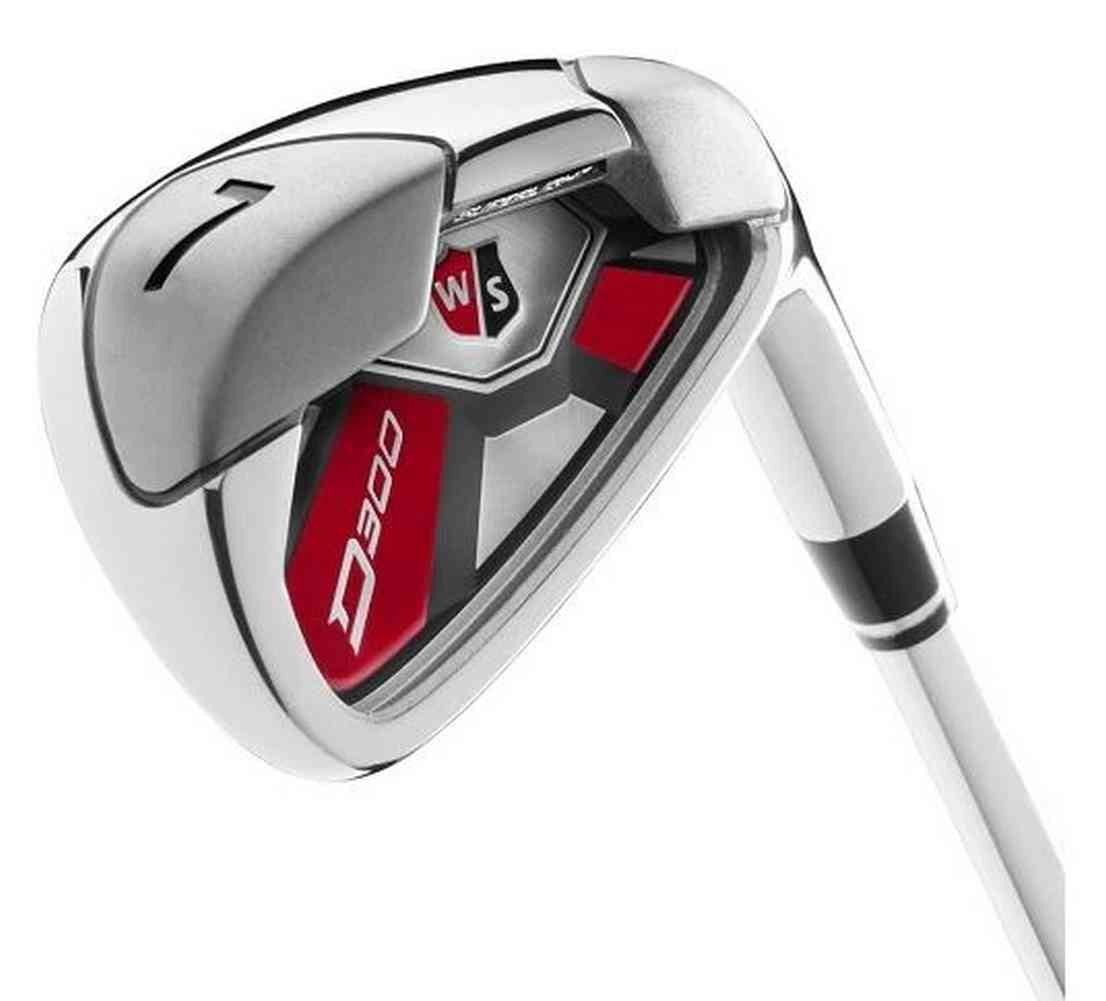
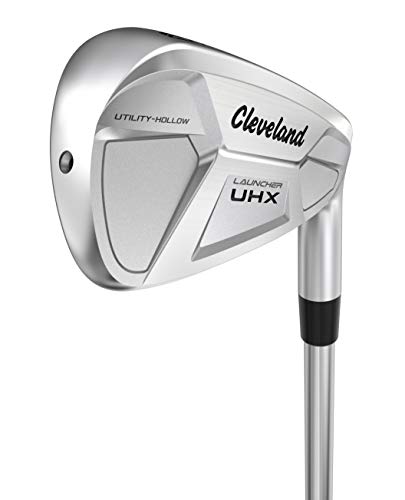
Properly fitted clubs can dramatically improve your swing results
Even with perfect technique, the wrong equipment can sabotage your swing. Many female golfers use clubs that are too long, too heavy, or have inappropriate shaft flexibility for their swing speed.
Signs Your Clubs May Be Wrong For You:
- You struggle to make consistent contact with the ball
- Your shots lack distance despite good technique
- You feel the club is difficult to control during your swing
- You experience discomfort in your wrists or hands after playing
- Your clubs were hand-me-downs or not specifically fitted

Modern women's clubs are designed with appropriate weight, length, shaft flexibility, and grip size to complement the typical female swing. If you've been playing with improper equipment, getting fitted for the right clubs can feel like an instant swing improvement.
The Mental Side: Setting Realistic Expectations

Remember that golf is about enjoyment, not just perfect technique
One of the biggest mistakes isn't physical at all – it's mental. Many female golfers set unrealistic expectations for themselves, aiming for perfection with limited practice time. This creates tension and frustration that directly impacts your swing.
Golf is challenging for everyone. Even professional players hit bad shots regularly. Setting realistic expectations and focusing on gradual improvement rather than perfection will help you enjoy the game more and actually improve faster.
"Golf is not a game of perfect. The key is to accept your limitations and play within yourself."
Find a version of golf that makes you happy and fits your lifestyle. Whether that's playing 9 holes, focusing on the driving range, or joining a women's golf group, there's no "right way" to enjoy the game.
Ready to Transform Your Swing?
Fixing these common swing mistakes doesn't require dramatic changes to your technique. Small adjustments to your posture, swing length, and tension levels can produce immediate improvements in your ball striking and distance.
Remember that every golfer is unique. While these fixes address the most common issues female golfers face, your specific swing might benefit from personalized guidance. Working with a teaching professional, even for just a few lessons, can help you identify and correct your individual swing challenges.
Take Your Game to the Next Level
Book a lesson package with our PGA-certified instructors who specialize in teaching women golfers. We'll help you fix these common mistakes and develop a swing that works for YOUR body and YOUR game.
Schedule Your First LessonMost importantly, enjoy the journey! Golf is a lifelong sport that offers endless opportunities for improvement, social connection, and outdoor enjoyment. Focus on progress, not perfection, and you'll find more satisfaction in every round you play.
DISCLAIMER
This document is provided for general information purposes only and should not be relied upon as providing legal advice, technical, or specific operational guidance to the reader, whether as to the practices described in the document or the applicable legal requirements and regulations. progolfinsider.com expressly disclaims any responsibility for liability arising from or related to the use or misuse of any information in this document.