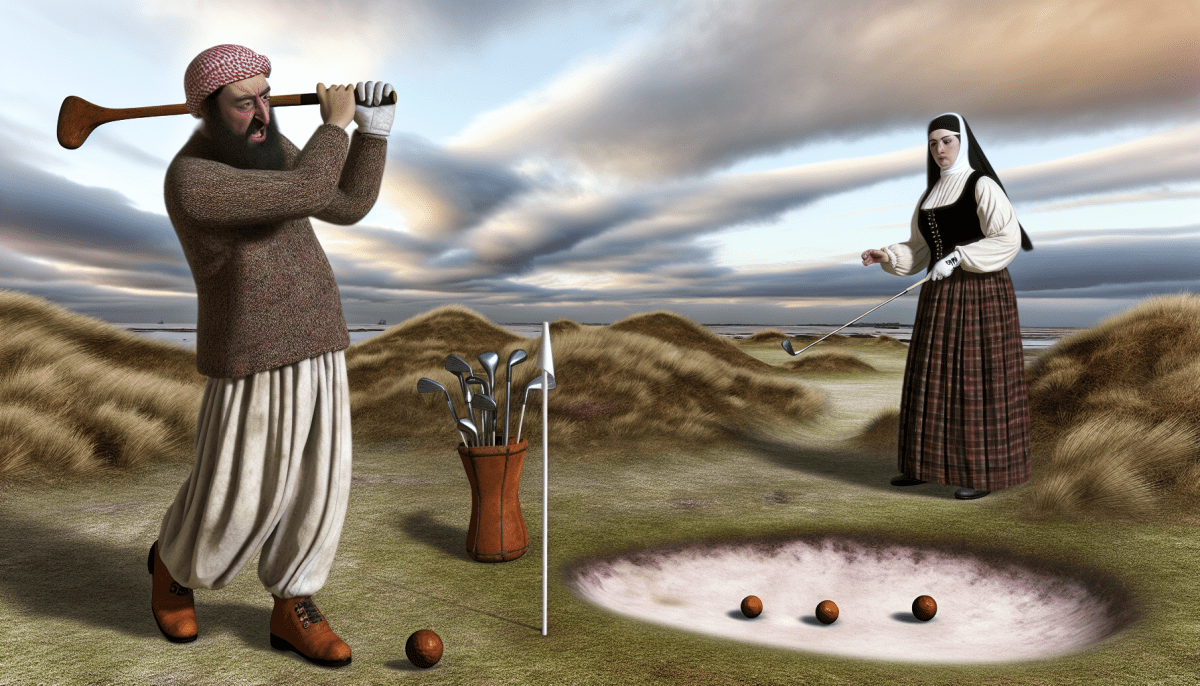
Golf's roots stretch way back, tracing back to the 15th century in Scotland. The game began to take shape on the windy links along the coast where players would hit a small ball into a series of holes. Imagine a bunch of folks trying to get a little ball into the hole while dodging those pesky Scottish winds and rocky terrains. It was a bit chaotic but loads of fun!
It wasn't long before golf caught on, and by the 16th century, people were playing across Europe. Whenever you hear about golf's beginnings, you can't skip over King James IV of Scotland. He was the first monarch known to play the game, which helped turn golf from a pastime into a sport of prestige. Imagine royals swinging clubs—talk about elevating the game!
The first documented golf course? That’s the Old Course at St. Andrews, established in 1552. This place is like Mecca for golfers. It's where the rules got formalized and where people started to grasp just how competitive and enjoyable this game could be. And from there, golf spread globally, changing along the way but always holding onto that sense of challenge and camaraderie.
By the late 1800s, golf had set roots deep in America, and iconic courses like Pebble Beach and Augusta National came on the scene, making waves in the golfing world. Every swing, every putt tells a part of golf’s story. Even as it evolved, whether it was added technology in clubs or fancy new balls, the spirit of the game has stayed true to its origins—simple fun with friends and good competition.
Key Moments Through the Years
Golf has a long and fascinating history that’s full of amazing moments. One of the key milestones dates back to the 15th century in Scotland when the game started to gain popularity. The first recorded mention of the game was in 1457 when King James II banned it because it distracted his soldiers from practicing archery. Can you believe that? Just goes to show how important this game was even back then!
Fast forward to the 18th century, and we see the establishment of the first official golf club. The Honourable Company of Edinburgh Golfers formed in 1744, which aimed to promote the sport and create a set of standardized rules. This was a big step in making golf the organized sport we know today. Clubs started popping up everywhere, and the game really took off.
The late 19th and early 20th centuries brought golf into the spotlight with the establishment of prestigious tournaments. The first-ever U.S. Open took place in 1895. This event not only showcased incredible talent but also introduced the sport to a wider audience. Golf became a thrilling spectacle, and fans were eager to watch the best players battle it out on the green.
In the 1960s, golf entered a new era with the rise of legends like Jack Nicklaus and Arnold Palmer. Their incredible skills and charismatic personalities helped attract fans and new players alike. It wasn’t just a sport anymore; it became a way of life for many. The game started to feel more accessible and engaging to people from all walks of life.
Today, golf continues to evolve and attract new generations. The introduction of technology, like swing analysers and apps, has given players tools to improve their skills and enjoy the game even more. Each milestone in golf's rich history has shaped it into the beloved sport we enjoy today. Whether you’re a pro or a weekend player, the journey of golf has something to inspire everyone.
Influential Golfers Who Shaped the Game
Golf has seen many incredible players who’ve changed the way we think about the game. Each generation has its stars, and some of them have left a mark that's still felt today. Let’s dive into a few influential golfers who truly shaped the game.
First up is Jack Nicklaus. Known as "The Golden Bear," Nicklaus has the most major championship wins in history, with a whopping 18 victories. His competitive spirit and incredible skill on the course motivated many young players to take up the game. People still look to his techniques and strategies for inspiration today.
Then there’s Arnold Palmer. He wasn’t just a great golfer; he became a cultural icon. Palmer's charm and style helped golf gain popularity, making it more accessible to everyone. His legendary rivalry with Nicklaus added a dramatic flair to the sport, drawing in fans by the droves and helping golf reach new heights.
Moving into the modern era, Tiger Woods transformed golf like no one before him. With his powerful drives and mental toughness, Woods brought a younger audience to the sport. His impressive wins and record-breaking performances inspired countless fans and players to hit the links and aim for greatness. His influence also helped elevate the status of golf globally.
These golfers didn’t just dominate on the course; they became symbols of what passion and dedication can achieve. Their legacies continue to encourage new generations to pick up a club and embrace this timeless game.
Modern Changes in Golf Today
Golf has come a long way since the days of hickory clubs and gutta-percha balls. Today, technology is changing the game in big ways. Think about it: launch monitors, GPS devices, and advanced golf balls are just a few examples of how modern tools are revolutionizing our favorite pastime.
With GPS watches and apps, players can now get real-time data about the course. You can check distances to hazards and greens, which helps you make smarter choices. No more guessing the yardage or wandering around trying to find your way. It's all right there on your wrist or smartphone!
Then there's club technology. Manufacturers are pumping out some seriously advanced gear. From adjustable drivers to lightweight materials, each club is designed to give you more control and better distance. This is a game-changer for golfers at every level, whether you’re a weekend warrior or hitting the pro circuit.
Don't forget about training aids! From swing analyzers to video analysis, players are using tech to improve their game like never before. You can record your swing, analyze your form, and make adjustments almost instantly. It’s like having a personal coach in your pocket.
Sustainability is another big topic. Many courses are adopting eco-friendly practices, using less water, and choosing native plants. Golf is evolving to be more responsible, which is great for the environment – and for the communities that love the game.
DISCAIMER
This document is provided for general information purposes only and should not be relied upon as providing legal advice, technical, or specific operational guidance to the reader, whether as to the practices described in the document or the applicable legal requirements and regulations. Progolfinsider.com expressly disclaims any responsibility for liability arising from or related to the use or misuse of any information in this document.