What Tees Should Beginners Play From? A Practical Guide for New Golfers
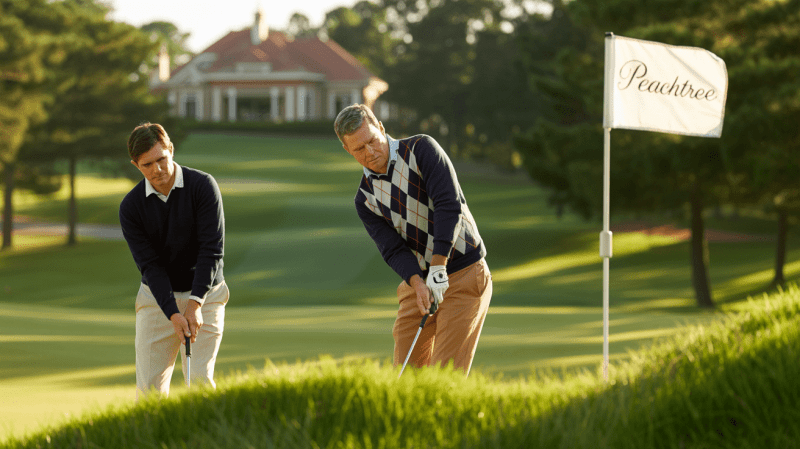
Picking the right tees makes golf a lot easier—and honestly, way more fun. Choose the forward or middle set that puts you in position to hit mid- or short irons into most greens.
If you’re a beginner, start from the forward tees (or the shortest yardage that makes sense) so you get shorter holes and more manageable approach shots.
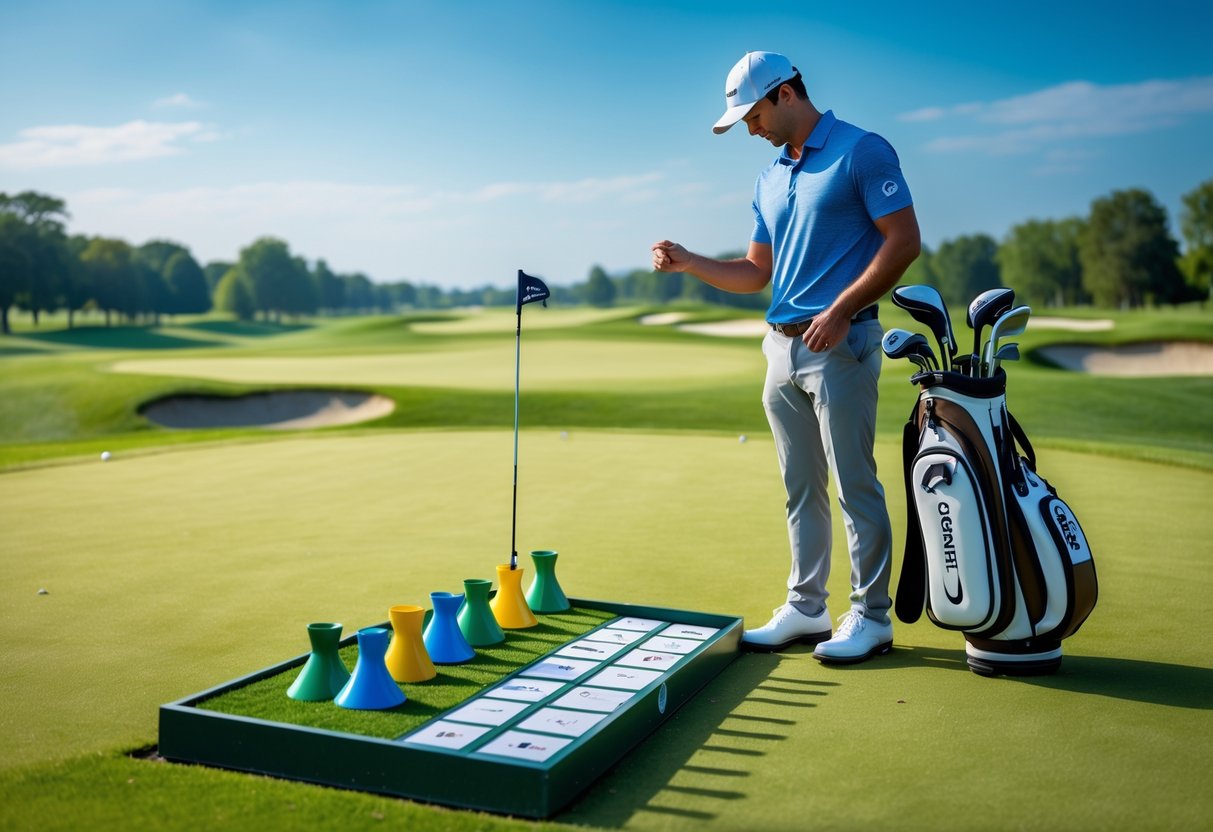
Playing from the right tee box helps you keep pace, save golf balls, and build confidence. Don’t force yourself to play from the back markers just because others do.
Use your real average driver distance and check the scorecard yardage. Move up if the course is wet, windy, or you just want a less stressful round.
Key Takeaways
- Start from the forward or middle tees to make the game easier and more enjoyable.
- Match tee yardage to your real driver distance, not ego or tradition.
- Adjust tee choice for course conditions and your short-game comfort.
How to Choose the Right Tees for Beginners
Pick a tee box that matches your driving distance and the level of challenge you want. Use your average driver carry and 5-iron distance to find a comfortable total yardage, then match it to the course scorecard.
Driver and 5-Iron Distance Methods
Measure your average driver carry with a launch monitor or just track it during practice rounds. If you don’t have fancy tech, golf apps or even marking spots on the range work fine.
Multiply your driver carry by about 36 to get a recommended total yardage for the course. Check your 5-iron distance too.
If you can hit a 5-iron into most par-4 greens from the tees you chose, you’re probably in the right spot. If par-4s force you to hit long irons or hybrids all day, move up a set.
Driver distance helps set the course length, but 5-iron distance checks if your approach shots are manageable. Both matter, so don’t skip one.
Impact of Tee Selection on Pace of Play and Enjoyment
Choosing tees that fit your distance speeds up play because you’re not taking endless extra shots or searching for lost balls. Forward tees (often called red or senior tees) cut total yardage and reduce club selection stress for beginners.
Playing from tees that are too long just slows your group and raises scores. Pick tees that let you reach greens more often—your enjoyment will go up, and you’ll actually learn faster from those shorter, more playable shots.
Understanding Course Yardage and Tee Colors
Open the course scorecard and compare the yardage sets to your recommended total yardage. Most courses use colors: red (forward), white (regular), blue/black (back).
Match the closest total yardage to your driver-derived target. If the scorecard yardages don’t match exactly, pick the shorter set.
On windy or soft-course days, move forward. As your driver carry and confidence grow, test one set back at a time. Track your distance and score changes to decide when to move up or back.
Choosing Golf Tees: Types, Materials, and Best Options for Beginners
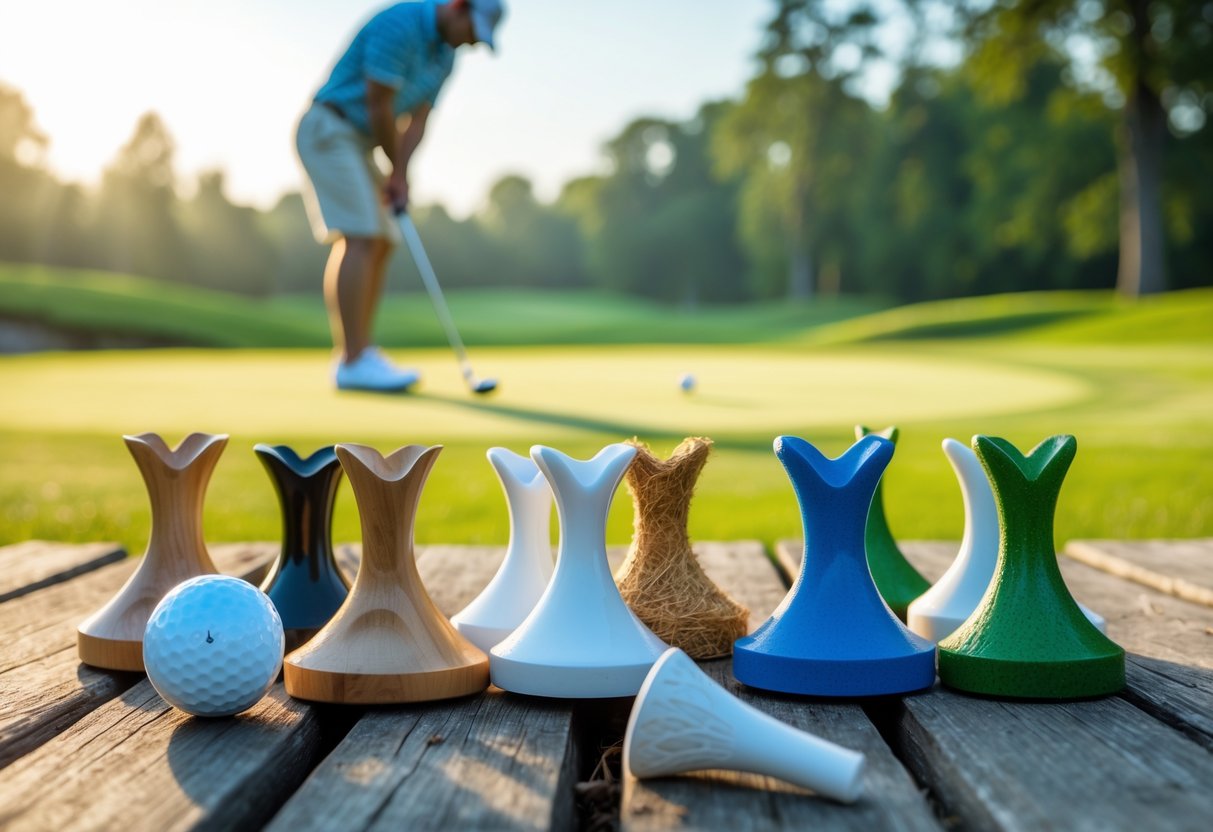
Let’s talk about tee materials and designs that actually matter. You’ll want to keep tee height consistent and pick tees that work for both practice and play.
Focus on durability, easy height cues, and low-friction heads to speed up learning and get better ball contact.
Wood vs. Plastic vs. Premium Tees
Wood golf tees feel traditional and break down naturally. They break more often, so you’ll replace them a lot during practice.
Pride Professional Tee System (PTS) style wood tees cradle the ball nicely and help reduce spin. Plastic golf tees last longer and don’t bend as much when you push them into hard turf.
Standard plastic tees are great for high-volume range work. Premium plastic tees and nylon blends, like Champkey-style tees, are stronger and break less often while keeping setup simple.
Some premium designs use a rubberized cup or prong head to lower friction and encourage a cleaner launch. Martini golf tees (DMT007-style) and other specialty models try to reduce contact area and spin.
Pick wood for feel or eco reasons, plastic for durability, and premium blends for a bit of both. You can’t really go wrong—just pick what feels right and doesn’t annoy you.
Consistent Tee Height and Step-Up Tees
Consistent tee height helps you repeat the same launch conditions every swing. Step-up tees and striped or stepped designs give you a physical marker you can feel or see while setting up.
Use tees with built-in height guides until you’ve memorized your driver and fairway heights. A visual stripe or a stepped shoulder on the tee takes the guesswork out of ball position.
That consistency makes it easier to master tee height and to track changes in carry and spin. Mixed-height packs let you experiment without buying separate products.
If you practice with a coach or track launch data, choose tees that keep height within a tight range. Durable nylon or plastic blends hold their markings and shape longer than cheap wood, so your setup stays repeatable across sessions.
Selecting the Best Tees for Your Game
Match your tee type to how you actually practice and play. If you hit a lot of balls on the range, grab larger packs of durable plastic or nylon blend tees.
Mixed packs are handy. They usually include shorter tees and regular ones, so you can work on driver, wood, and hybrid shots without buying extras.
If you care about feel or want an eco-friendly option, go for wood or bamboo PTS-style tees. For low-spin launch and testing shot shape, try prong-head or rubber-cup tees—Callaway makes some good ones.
Want something in between? Step-up premium plastic tees like Champkey give you both durability and help with tee height.
Keep a small bag of spare tees in your golf bag. Toss in a few driver-height step-ups, some shorter tees for irons, and maybe a couple premium ones for lessons or when you want to test spin and launch.
Picking the right tees makes golf a lot easier—and honestly, way more fun. Choose the forward or middle set that puts you in position to hit mid- or short irons into most greens.
If you’re a beginner, start from the forward tees (or the shortest yardage that makes sense) so you get shorter holes and more manageable approach shots.
Playing from the right tee box helps you keep pace, save golf balls, and build confidence. Don’t force yourself to play from the back markers just because others do.
Use your real average driver distance and check the scorecard yardage. Move up if the course is wet, windy, or you just want a less stressful round.
Key Takeaways
- Start from the forward or middle tees to make the game easier and more enjoyable.
- Match tee yardage to your real driver distance, not ego or tradition.
- Adjust tee choice for course conditions and your short-game comfort.
How to Choose the Right Tees for Beginners
Pick a tee box that matches your driving distance and the level of challenge you want. Use your average driver carry and 5-iron distance to find a comfortable total yardage, then match it to the course scorecard.
Driver and 5-Iron Distance Methods
Measure your average driver carry with a launch monitor or just track it during practice rounds. If you don’t have fancy tech, golf apps or even marking spots on the range work fine.
Multiply your driver carry by about 36 to get a recommended total yardage for the course. Check your 5-iron distance too.
If you can hit a 5-iron into most par-4 greens from the tees you chose, you’re probably in the right spot. If par-4s force you to hit long irons or hybrids all day, move up a set.
Driver distance helps set the course length, but 5-iron distance checks if your approach shots are manageable. Both matter, so don’t skip one.
Impact of Tee Selection on Pace of Play and Enjoyment
Choosing tees that fit your distance speeds up play because you’re not taking endless extra shots or searching for lost balls. Forward tees (often called red or senior tees) cut total yardage and reduce club selection stress for beginners.
Playing from tees that are too long just slows your group and raises scores. Pick tees that let you reach greens more often—your enjoyment will go up, and you’ll actually learn faster from those shorter, more playable shots.
Understanding Course Yardage and Tee Colors
Open the course scorecard and compare the yardage sets to your recommended total yardage. Most courses use colors: red (forward), white (regular), blue/black (back).
Match the closest total yardage to your driver-derived target. If the scorecard yardages don’t match exactly, pick the shorter set.
On windy or soft-course days, move forward. As your driver carry and confidence grow, test one set back at a time. Track your distance and score changes to decide when to move up or back.
Choosing Golf Tees: Types, Materials, and Best Options for Beginners
Let’s talk about tee materials and designs that actually matter. You’ll want to keep tee height consistent and pick tees that work for both practice and play.
Focus on durability, easy height cues, and low-friction heads to speed up learning and get better ball contact.
Wood vs. Plastic vs. Premium Tees
Wood golf tees feel traditional and break down naturally. They break more often, so you’ll replace them a lot during practice.
Pride Professional Tee System (PTS) style wood tees cradle the ball nicely and help reduce spin. Plastic golf tees last longer and don’t bend as much when you push them into hard turf.
Standard plastic tees are great for high-volume range work. Premium plastic tees and nylon blends, like Champkey-style tees, are stronger and break less often while keeping setup simple.
Some premium designs use a rubberized cup or prong head to lower friction and encourage a cleaner launch. Martini golf tees (DMT007-style) and other specialty models try to reduce contact area and spin.
Pick wood for feel or eco reasons, plastic for durability, and premium blends for a bit of both. You can’t really go wrong—just pick what feels right and doesn’t annoy you.
Consistent Tee Height and Step-Up Tees
Consistent tee height helps you repeat the same launch conditions every swing. Step-up tees and striped or stepped designs give you a physical marker you can feel or see while setting up.
Use tees with built-in height guides until you’ve memorized your driver and fairway heights. A visual stripe or a stepped shoulder on the tee takes the guesswork out of ball position.
That consistency makes it easier to master tee height and to track changes in carry and spin. Mixed-height packs let you experiment without buying separate products.
If you practice with a coach or track launch data, choose tees that keep height within a tight range. Durable nylon or plastic blends hold their markings and shape longer than cheap wood, so your setup stays repeatable across sessions.
Selecting the Best Tees for Your Game
Match your tee type to how you actually practice and play. If you hit a lot of balls on the range, grab larger packs of durable plastic or nylon blend tees.
Mixed packs are handy. They usually include shorter tees and regular ones, so you can work on driver, wood, and hybrid shots without buying extras.
If you care about feel or want an eco-friendly option, go for wood or bamboo PTS-style tees. For low-spin launch and testing shot shape, try prong-head or rubber-cup tees—Callaway makes some good ones.
Want something in between? Step-up premium plastic tees like Champkey give you both durability and help with tee height.
Keep a small bag of spare tees in your golf bag. Toss in a few driver-height step-ups, some shorter tees for irons, and maybe a couple premium ones for lessons or when you want to test spin and launch.